

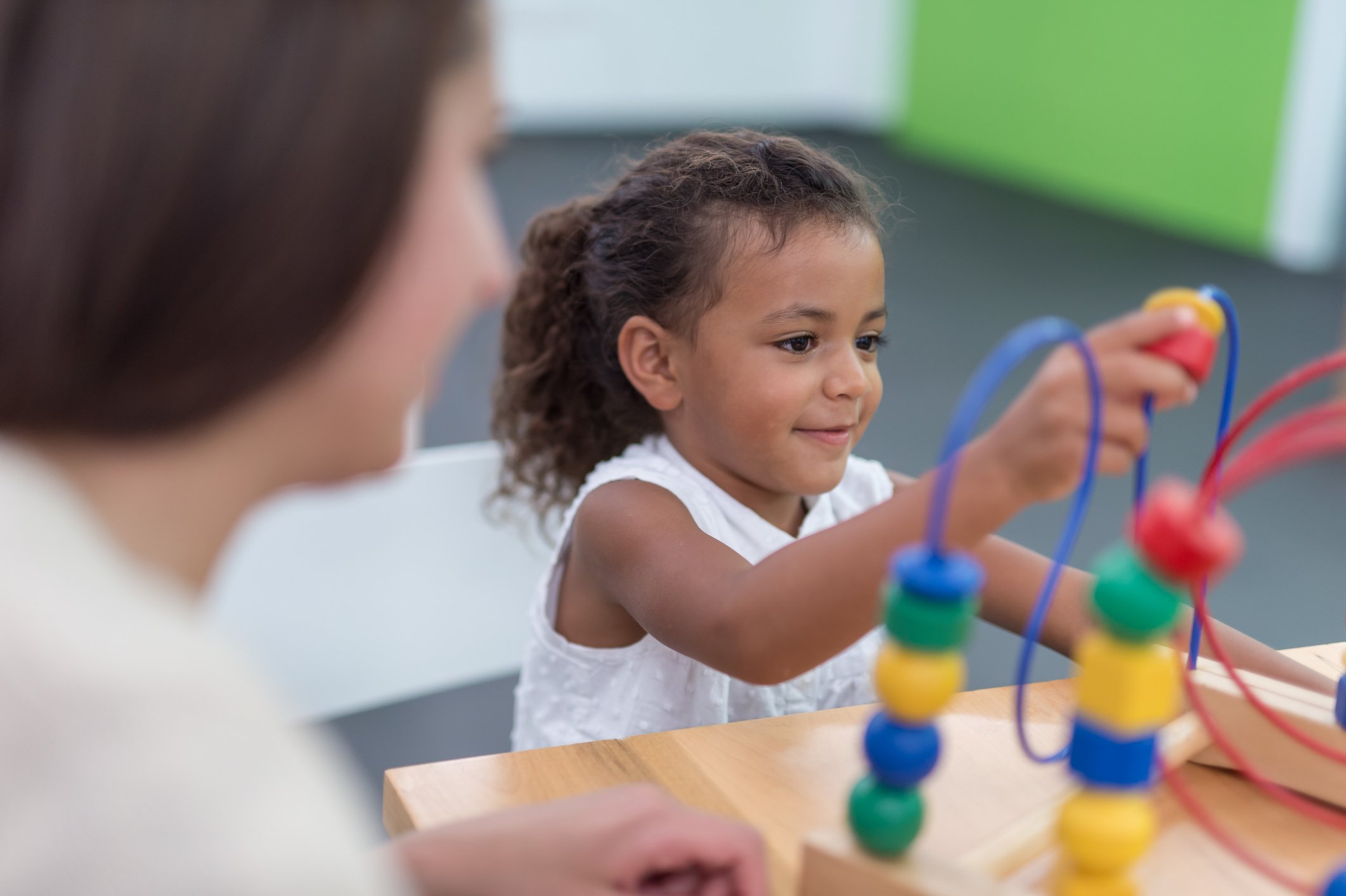
When you think about helping your child learn new skills, what comes to mind? Memorizing facts? Boring, repetitive drills? Or play?
If you answered “play,” you’re right.
Why Play Is Such an Effective Learning Tool
Play allows your child to practice important skills in a way that feels motivating rather than frustrating. Kids are often too busy having fun to notice they are learning.
This is why, in a pediatric therapy space, you may see children navigating foam obstacle courses or digging for hidden objects in sensory bins, which are containers filled with different textures like rice, beans, or small toys. While it looks like pure fun, these activities are intentionally chosen to support skills children use every day at home, school, and with others.
Turning Play into Skill-Building at Home
You do not need a specialized gym or equipment to use play-based learning at home. By understanding the purpose behind certain types of play, you can turn everyday activities into meaningful opportunities for growth.
Below are a few simple ways play can support your child’s everyday skills.
Developing Hand Skills Through Play
Many daily tasks, such as using utensils, zipping a jacket, or eventually writing with a pencil, rely on how comfortably your child can use their hands. When these tasks feel difficult, children may avoid them or become frustrated quickly.
Try this: Create a simple treasure hunt by pressing small beads or coins into a ball of playdough, then invite your child to dig them out using their fingers. Next, encourage your child to sort the objects into small piles.
During this game, your child practices different hand movements in a fun, low-pressure way, which can make everyday tasks like dressing, eating, and schoolwork feel easier over time.
Playing Movement Games to Improve Focus
If your child has a lot of energy, struggles to sit still, or bumps into things throughout the day, movement games can help them use that energy so they feel more settled and able to focus afterward.
Try this: When your child is moving from one activity to another, take a short break that lets them release energy. For example, play a quick game of “animal walks,” where they crawl like a bear or move sideways like a crab.
By giving your child the chance to use their whole body, these movement games can help them feel calmer, more balanced, and better able to concentrate on the task at hand.
Learning to Follow Steps With Games
Daily routines, such as getting dressed or packing a backpack, often involve following steps in order.
Try this: Create a simple obstacle course using pillows, chairs, or tape on the floor. Before your child starts, explain the steps out loud in order, such as, “First jump over the pillow, then crawl under the chair, and last ring the bell.” Ask your child to repeat the steps back to you before they begin.
As your child moves through the course, they are practicing listening, remembering what comes next, and completing each step in order. These same skills can carry over into everyday routines at home and school.
Allow Your Child to Learn at Their Own Pace
The goal of play-based learning is not to achieve a perfect result right away. It is about enjoying the process. When learning feels playful rather than pressured, your child is more willing to take risks, problem-solve, and keep going when something feels hard.
By bringing more play into your daily routines, you are not just helping your child learn new skills. You are helping them discover that they are capable, confident, and ready to take on everyday challenges.
Reach Out to Let’s Communicate for Support
If you would like to learn how play can help your child build everyday skills and you are in the Winder, GA area, Let’s Communicate Pediatric Therapy Services is here to help. Call us at (678) 963-0694 or fill out our online contact form to schedule an evaluation.
