

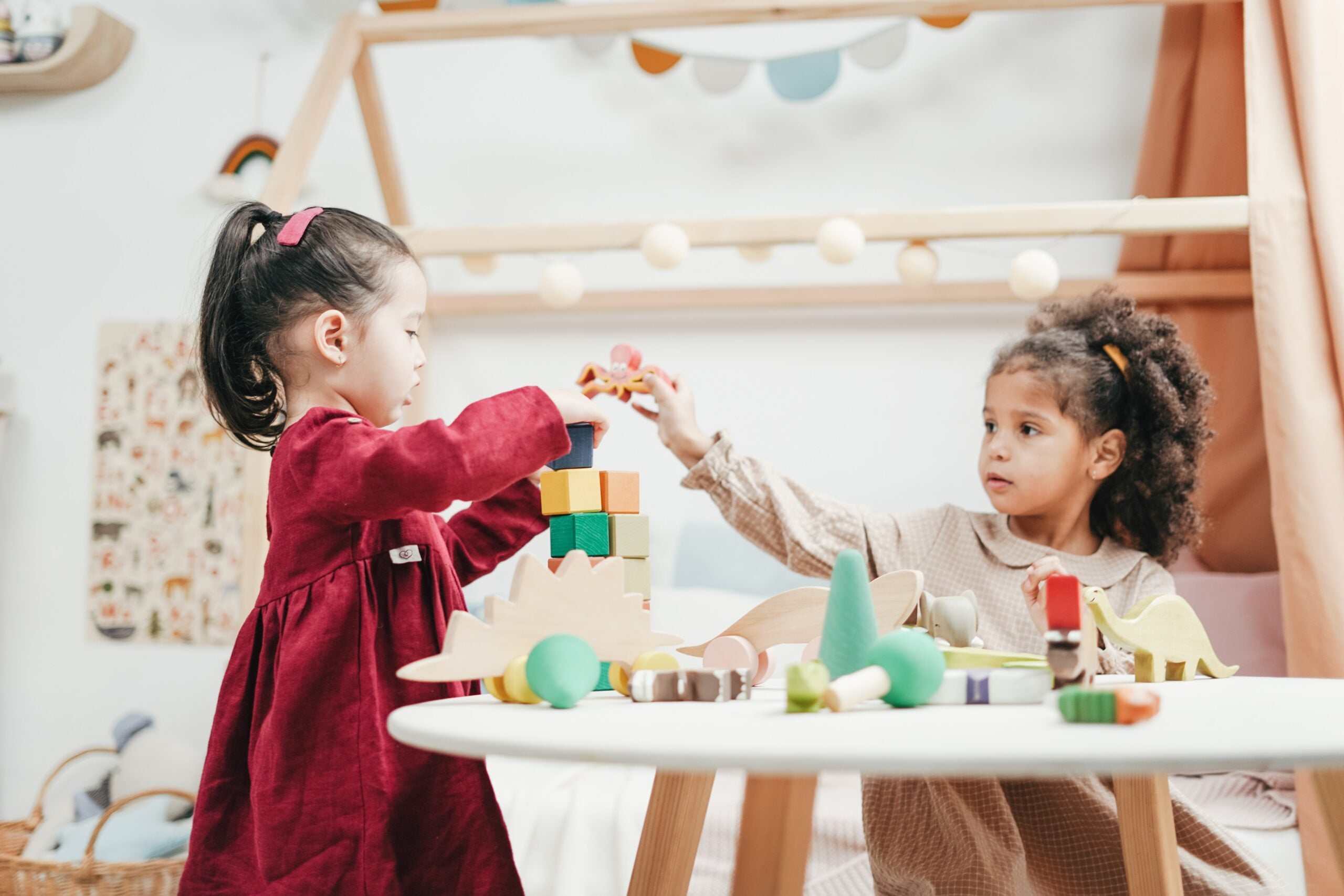
Watching your child struggle to make or keep friends can be difficult. You may notice they play alone at the playground, hesitate to join group activities, or feel frustrated after social school or other interactions. While every child develops social skills at their own pace, communication plays a huge role in building friendships.
Now, here’s what many parents don’t realize: speech therapy doesn’t just help children pronounce words or speak clearly. It helps them learn how to connect with others, share ideas, and feel confident in social situations. When communication becomes easier, friendships often follow. Keep reading to learn how.
What Are Social Communication Skills?
Social communication (also called pragmatic language) includes the skills children use to interact with others successfully. These skills include:
- Starting and ending conversations
- Taking turns while talking or playing
- Understanding body language and facial expressions
- Using appropriate tone and volume
- Staying on topic during conversations
- Understanding humor, jokes, or sarcasm
Many children need extra support to develop these skills, and speech therapy provides a safe, supportive place to practice.
How Speech Therapy Supports Friendship Skills
Speech therapy sessions often look like playtime, but they’re carefully designed to build real-world social skills.
Learning How to Start Conversations
For some children, approaching peers can feel intimidating. Speech therapists can teach your child simple strategies like how to say hello, how to ask questions in a conversation, and how to join a group of other kids who are already playing. These small steps help children feel more confident reaching out.
Practicing Turn-Taking
Conversations and games both require turn-taking. Our speech therapy activities often include games and structured play that help children learn how to wait, listen, and respond appropriately. These skills make daily interactions with peers smoother and more enjoyable for your child.
Building Listening Skills
Strong listening skills make children feel more connected to their peers. Friendships are also easier to grow when children can listen and respond to each other. In speech therapy, your child can learn to stay focused on conversations, follow directions, and understand what others are saying. All of these are vital pragmatic skills for making friends.
Understanding Social Cues
Body language, facial expressions, and tone of voice carry a lot of meaning. Our speech therapists can help your child recognize and interpret these cues so they can respond appropriately in social situations. This helps children feel more confident and less unsure during interactions.
Improving Confidence in Communication
When children feel understood, they’re more likely to speak up and engage with others. As communication becomes easier, many children naturally become more social and willing to participate in group activities. Confidence is one of the biggest building blocks of friendship, and speech therapy is a great way to give your child confidence in their speech and language abilities.
Signs Your Child May Need Help with Social Communication
Early support can help children develop the skills they need to build meaningful connections. Some children benefit from extra support developing friendship skills. You might notice your child:
- prefers to play alone most of the time
- has trouble joining group activities
- struggles to keep conversations going
- misunderstands jokes or social cues
- becomes frustrated during play with peers
- feels shy or anxious in social settings
Reach Out to Let’s Communicate for Speech Therapy Support
At Let’s Communicate Pediatric Therapy Services, we love helping children build the communication skills that lead to strong friendships and confident social interactions.
If your child struggles with social communication or making friends, call (678) 963-0694 today to schedule an evaluation. Together, we’ll help your child connect, communicate, and thrive.
