

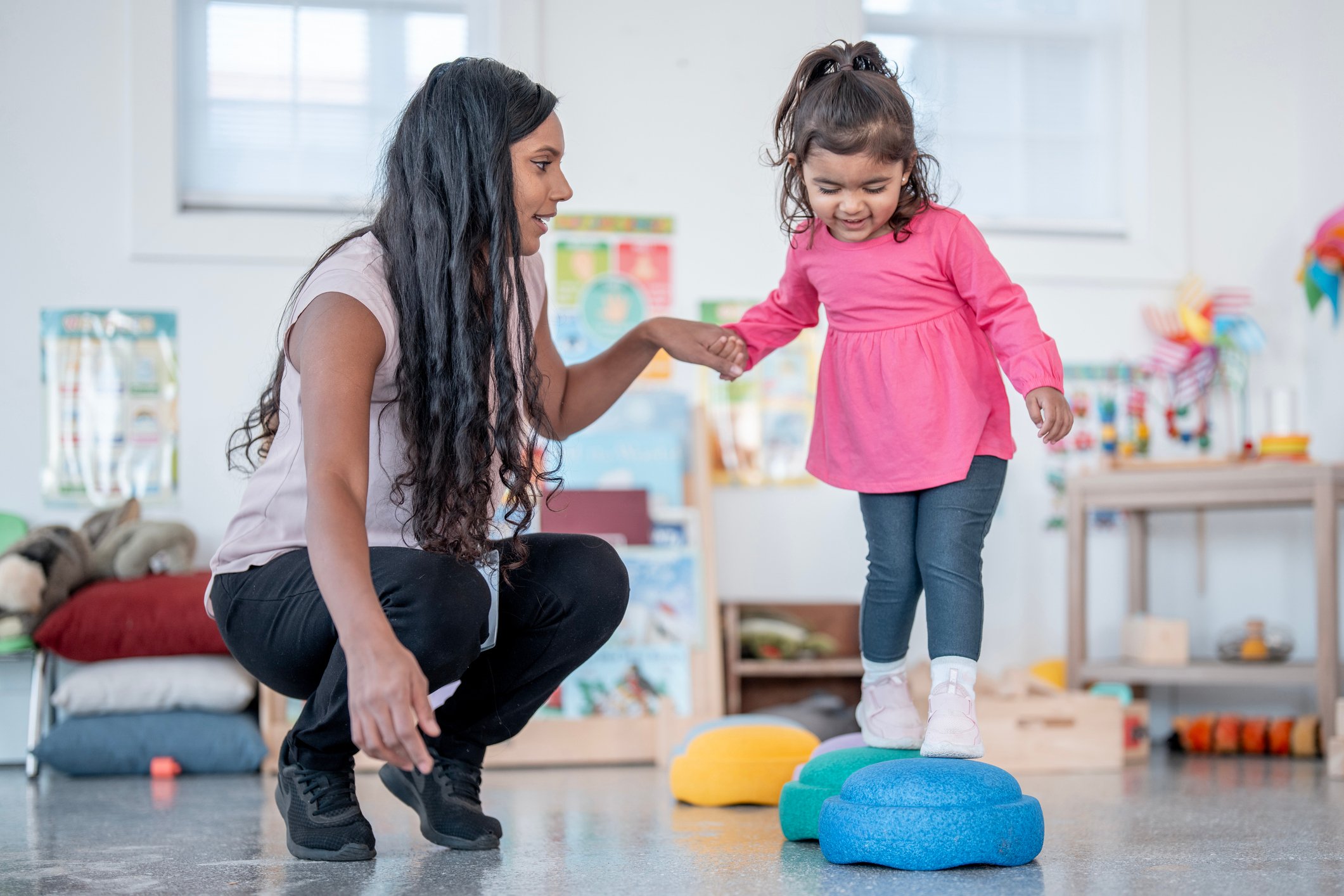
If your child seems to tire quickly, slouch in their seat, or stumble when running or climbing, the reason why may be simpler than you think. These everyday struggles often come down to one key factor many parents don’t consider: your child’s core strength.
Core strength isn’t just about having strong abs; it’s the foundation for nearly every movement your child makes. From sitting at a desk to catching a ball, your child’s ability to balance, move smoothly, and stay upright depends on the muscles that make up their core. Keep reading to find out why and learn some fun ways you can help your child build their core strength at home.
What Is Core Strength?
The core refers to more than just your abdomen muscles. It includes the muscles in the hips, pelvis, and back that stabilize the entire body. These muscles work together to support posture, control movement, and protect the spine.
When your child’s core is strong, they can sit upright, maintain balance, and coordinate their arms and legs more efficiently. When those muscles are weak, everyday activities like sitting still, writing, jumping, or riding a bike can take a lot more effort.
How Core Strength Affects Balance, Posture, and Coordination
Core strength is essential for almost every physical and fine-motor task, whether it’s handwriting, playing sports, or simply getting dressed independently. Here’s how it affects different areas of development:
- Balance: A strong core helps your child stay steady when walking, climbing, or changing directions. Core muscle weakness can lead to frequent tripping or falling.
- Posture: Core muscles help your child sit tall in a chair or stand upright without leaning. When the core is weak, slouching or fidgeting often follows because it’s tiring to stay upright.
- Coordination: The core connects the upper and lower body. When it’s strong, your child can run, jump, or catch smoothly because their arms and legs are working from a stable center.
Why Some Kids Have Less Core Strength Than Others
Every child develops at their own pace, but some experience delays or reduced muscle activation in their core for a variety of reasons, including:
- Limited tummy time as infants: Early time spent on the floor helps babies build strength through pushing, lifting, and rolling.
- Prolonged sitting in supportive seats or devices: Car seats, swings, or bouncers keep a child safe; but too much time in them can reduce opportunities to build core muscles naturally.
- Low muscle tone: Some children have naturally softer or more flexible muscles, making it harder to hold posture or engage the core during activity.
- Inactivity: In today’s world of screens and indoor play, children may simply move less than previous generations, leading to lower endurance and strength.
- Developmental or neurological conditions: Children with conditions like Down syndrome, cerebral palsy, or muscular dystrophy may need extra support to strengthen their core stability.
5 Fun Ways to Build Core Strength at Home
Improving core strength takes time and practice, but the results show up as better posture, smoother coordination, more endurance, and even improved focus during seated tasks like reading or writing.
Fortunately, the best way to build core strength doesn’t look like exercise—it looks like play! The following activities are simple, low-cost, and fun for kids of all ages. They can easily be added to your daily routine and adapted to any ability level.
1. Animal Walks
Ask your child to pretend they’re different animals and walk like a bear or do crab walks, frog jumps, or snake slithers. These movements strengthen the shoulders, back, and core while improving coordination and imagination.
2. Pillow Path or Couch Cushion Obstacle Course
Lay out pillows, cushions, or mats and have your child crawl, balance, or jump from one to another. Encourage them to keep their belly up and body steady as they move. This improves balance, spatial awareness, and core endurance.
3. Wheelbarrow Walks
Hold your child’s legs like the handles of a wheelbarrow and let them use their hands to move forward. This activity builds shoulder and core strength and teaches stability through controlled movement.
4. Therapy Ball or Exercise Ball Play
Have your child sit or lie on a large ball while you hold it steady. Ask them to reach for toys, roll side to side, or balance in place. This engages the deep abdominal and back muscles needed for posture and control.
5. Plank or Bridge Challenges
Make it a game, who can hold a plank the longest, or lift their hips in a bridge without wobbling? You can add storytelling (“You’re a superhero flying over lava!”) to keep it fun and imaginative. These strengthen the trunk, hips, and legs together.
Reach Out to Let’s Communicate for Expert Support
At Let’s Communicate Pediatric Therapy Services, we help children from birth through age 21 build the muscle strength and body awareness they need for everyday success. To learn more or schedule an evaluation, call (678) 963-0694 today. We’ll help your child build a stronger foundation, one playful step at a time.
